



Introduction
A varistor is a special electronic part made to protect electrical circuits from sudden, harmful voltage spikes. This article will simply explain how varistors work, what they are made of, their main types, where they are used, and how to test them.
What is a Varistor?
A varistor is a unique type of resistor. Its resistance changes automatically depending on the voltage applied to it. It is usually a small part with two connecting wires, and it is mostly made of materials like zinc oxide or silicon carbide pressed into a small ceramic disc.
Functions of Varistor
- Stopping Power Surges: It blocks sudden high-voltage spikes to protect sensitive parts in the circuit.
- Over-voltage Protection: It absorbs extra energy from things like lightning strikes or power grid changes.
- Filtering Noise: It reduces unwanted electrical noise caused by turning on heavy machines like motors.
- Keeping Systems Stable: It helps maintain safe voltage levels for connected devices when the power fluctuates.
- Static Electricity Shielding: It redirects quick bursts of static electricity away from delicate electronic chips.
Varistor Symbol
The standard symbol for a varistor looks like a regular resistor rectangle with a diagonal line going through it, and a small flat line at the bottom to show that its behavior depends on voltage.

The Working Principle of Varistor
When the circuit's voltage is normal, a varistor has very high resistance. This means it acts like an open gate and stops electricity from flowing through it. But if a sudden high-voltage spike happens, the varistor's resistance drops very fast. This allows the dangerous extra current to flow through the varistor instead of damaging the sensitive parts of the circuit.
When the voltage goes above a safe level, the varistor holds the voltage at a safe limit by turning the extra energy into heat. By doing this continuously, the varistor protects both the main circuit and itself from being destroyed.
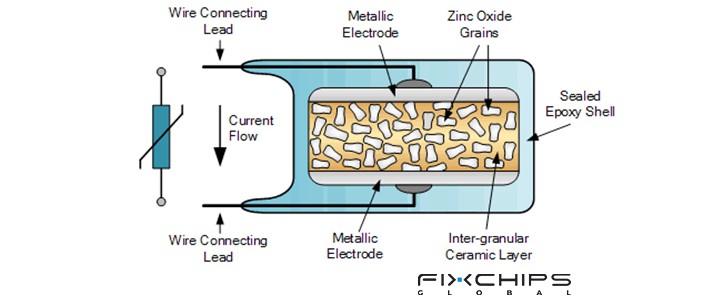
Varistor Specification
Knowing these key numbers helps people choose the right varistor (14D471K) to keep their circuits safe.
|
Parameter |
Symbol | Value |
|
Max. Continuous AC Voltage |
VAC | 300V AC |
|
Max. Continuous DC Voltage |
VDC | 385V DC |
|
Varistor Voltage |
V1mA | 470V (423V ~ 517V) |
|
Max. Clamping Voltage |
VC | 775V |
|
Max. Peak Current |
ITM | 4500A |
|
Energy Absorption |
WTM | 125 J |
The Structure of Varistor

- Ceramic Body: Made from special metal oxide grains that block normal electricity but let surges pass.
- Metal Plates: Silver or copper layers placed on both sides of the ceramic body to make a good electrical connection.
- Wire Leads: Copper wires attached to the metal plates so the varistor can connect easily to a circuit board.
- Outer Coating: A protective layer of resin or ceramic that keeps out moisture and prevents physical damage.
Varistor Types
Varistors are grouped by the main materials they are made of, and each type is best for different uses.
Metal Oxide Varistors (MOVs)
MOVs are mostly made of zinc oxide mixed with small amounts of other metals. They react very quickly to voltage changes and can absorb a lot of energy. Because they work so well, they are the most common type used in home appliances and power lines.

Silicon Carbide Varistors
These are made of silicon carbide grains baked at high temperatures. They are very tough, can handle high heat, and manage huge amounts of power. Because of this strength, they are mainly used in heavy factory equipment and high-voltage power stations.

Barium Titanate Varistors
Barium Titanate Varistors are made from a special ceramic called barium titanate. They react to both temperature and voltage changes at the same time. They are mostly used in low-voltage circuits that need specific filtering and protection
Germanium Varistors
These are made from germanium materials. They react to very low voltages and are sensitive to small signals. Because of this, they are usually used only in older, highly specialized electronics.
Applications of Varistor
Varistors are used in many electronics and factory machines to keep them safe from electrical problems.
- Home Surge Protectors: They stop power grid spikes to protect TVs, computers, and chargers.
- Power Supplies: They protect the internal parts of chargers and power bricks from wall outlet spikes.
- Factory Motors: They absorb sudden voltage kicks when large industrial motors turn on or off.
- Car Electronics: They protect the car's computer chips from sudden voltage changes in the car battery system.
- Telephone and Internet Lines: They redirect lightning energy away from fragile data wires outside.
- Everyday Electronics: They protect the tiny memory chips inside microwaves, laptops, and smart devices.
- Solar Power Systems: They guard the solar panels and power converters against storm-related electrical surges.
Characteristics of a Bad Varistor
When a varistor breaks from absorbing too many surges or a massive spike, it shows clear physical, sound, and electrical signs.
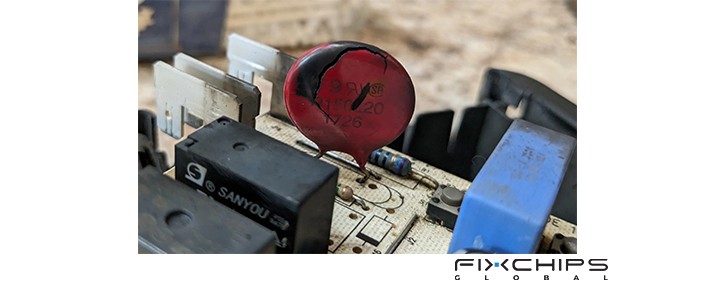
Visual Signs
- Burned or Dark Coating: Severe overheating burns the outside layer, meaning it is broken inside and must be replaced.
- Cracked or Broken Body: Huge surges make it expand and crack -- you should check your fuses and replace the varistor right away.
Sound and Smell Signs
- Loud Pop or Crackle: A sudden breakdown causes a loud popping noise -- turn off the power at once to stop more damage.
- Strong Burning Smell: The burnt coating and metals give off a sharp chemical smell -- clear the air and check the circuit for heat damage.
Electrical Signs
- Blown Fuses: A broken varistor can act like a short wire, which blows the circuit's fuses -- replace it to get the power working again.
- Total Power Loss: Sometimes the varistor cuts the power path completely to save the device -- you will need to replace the damaged part.
Advantages and Disadvantages of varistor
Knowing the good and bad points of varistors helps people use them correctly in circuits.
Advantages
- Fast Reaction Time: They react to sudden spikes in less than a billionth of a second.
- High Energy Capacity: They can soak up large power surges without breaking right away.
- Works Both Ways: They block surges from both positive and negative directions smoothly.
- Low Cost: They provide strong protection but are very cheap to make.
Disadvantages
- Wears Out Over Time: Every time they absorb a surge, they get a little bit weaker.
- Can Mess Up Fast Signals: Their internal structure can slow down or distort high-speed data cables if used wrong.
- Fire Risk: If they are exposed to high voltage for too long, they can overheat and catch fire.
- Not Perfect Blocking: They still let a little bit of extra voltage through, which might slightly harm extremely sensitive microchips.
MOV Varistor vs TVS Diode
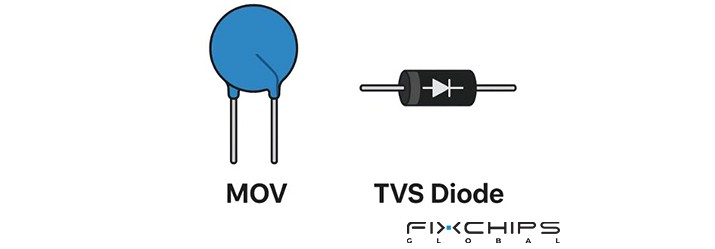
Both parts protect against extra voltage, but MOV Varistors are better at absorbing huge energy surges, while TVS Diodes are faster and better at precise, low-voltage protection.
|
Feature |
MOV Varistor |
TVS Diode |
|
Basic Function |
Absorbs big energy surges on main power lines. |
Blocks small, precise voltage spikes perfectly. |
|
Response Time |
Fast (1–25 nanoseconds). |
Super fast (less than 1 picosecond). |
|
Polarity |
Works both ways naturally. |
Comes in one-way or two-way types. |
|
Durability |
Wears out slowly after many large surges. |
Does not wear out if used correctly within its limits. |
|
Failure Behavior |
Usually breaks and stops current, or shorts temporarily. |
Usually breaks and creates a permanent short circuit. |
|
Cost |
Very cheap for protecting against big surges. |
More expensive for the amount of energy it handles. |
|
Applications |
Power lines, surge protectors, heavy machines. |
Fast data cables, sensitive chips, phones. |
How to Test a Varistor
Testing a varistor helps you see if it is still working or if it is broken inside.
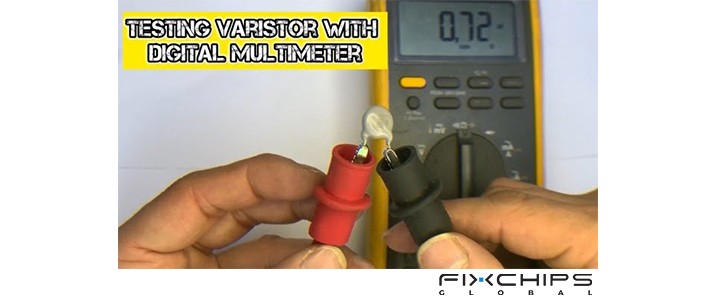
Step 1: Turn Off the Power
Make sure the device is completely unplugged and take one wire of the varistor off the board so you can test it properly without interference.
Step 2: Look at the Varistor
Check the varistor carefully for any cracks, burn marks, color changes, or broken pieces.
Step 3: Set Up the Meter
Turn your digital multimeter to the highest resistance setting (usually marked with an Ohm symbol, Ω).
Step 4: Measure the Resistance
Touch the two test probes of the multimeter to the two wires of the varistor and read the number on the screen.
Step 5: Read the Result
A good varistor will show almost infinite resistance (acting like an open path). If it shows a very low number or zero, the varistor is broken and needs to be replaced.
Frequently Asked Questions
What is a varistor?
A varistor is a voltage-dependent resistor whose electrical conductance increases rapidly as the applied voltage rises. The most common type is the metal oxide varistor (MOV), which is mainly used to protect circuits from transient over-voltage.
What is the main function of a varistor?
A varistor helps protect electronic circuits by diverting surge current and limiting the voltage that reaches protected components. It is commonly connected across a circuit so that it can respond when a sudden over-voltage occurs.
How does a varistor respond to voltage changes?
At normal voltage, a varistor has high resistance and allows only a small leakage current to flow. When the voltage rises during a surge, its resistance decreases rapidly, allowing more current to flow and helping limit the voltage across the protected circuit.
How can you check whether a varistor is working properly?
A basic check can start with a visual inspection and a resistance measurement after the varistor is safely disconnected from the circuit. For a more complete test, its varistor voltage, leakage current, and clamping voltage should be checked against the manufacturer's specifications and applicable test methods.
What occurs when a varistor becomes defective?
A failed MOV may show increased leakage current, physical damage, or changes in key electrical parameters. Depending on the failure mechanism, it can fail short, fail open, or become electrically degraded and no longer provide the intended surge protection.


