




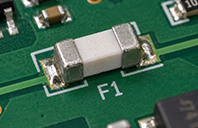
What Is a Fuse Symbol? Types, Markings, and Applications
Learn the meaning of a fuse symbol and how it protects electrical circuits. Compare fuse types, understand common markings, and identify fuse symbols in circuit diagrams.
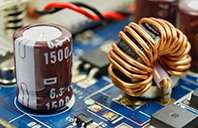
Inductor vs Capacitor, Key Differences Guide
Explore how inductors and capacitors store energy, control current and voltage, and respond to AC and DC circuits. Compare their key features and common uses.
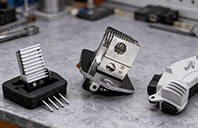
Exploring Blower Motor Resistor’s Working, Testing and Repair
Learn how a blower motor resistor works, its specifications, common failure symptoms, testing methods, replacement steps, and differences from electronic control modules.
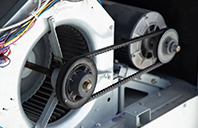
AC Fan Motor Working Principle, Types, and Applications
Discover what an AC fan motor does, how it works, common motor types, and how to test and replace them.
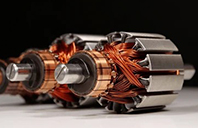
What Is a Stator? Structure, Types and Uses
Learn what a stator is, how it works, its main types, and its uses in motors, generators, and other electrical equipment.
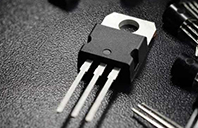
NMOS vs. PMOS, Key Differences Explained
Learn the key differences between PMOS and NMOS, including structure, working principles, symbols, applications, and how to choose the right MOSFET.
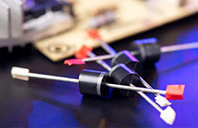
Exploring Rectifier Diode’s Working Principle, Types and Uses
Understand rectifier diode operation, compare common diode types, review key electrical ratings, and learn how to select, test, and maintain them.

GDDR5 vs GDDR6 vs GDDR7, How to Choose the Right One?
Compare GDDR5, GDDR6, and GDDR7 by data rate, bandwidth, architecture, speed, and applications. Learn how to choose the right graphics memory.
29 articles in total


